Norwegian Refugee Council: Afghanistan is the world’s fifth forgotten displacement crisis
شورای پناهندگان ناروی: افغانستان پنجمین بحران فراموششده آوارگی در جهان است
شورای پناهندگان ناروی در گزارش تازهای گفته است که افغانستان در سال ۲۰۲۵ پنجمین بحران فراموششده آوارگی در جهان بوده است.
این گزارش که بحرانها را بر اساس میزان توجه رسانهها، کمکهای بشردوستانه، تعامل سیاسی و شمار آوارگان ارزیابی میکند، افغانستان را پس از سودان، جمهوری دموکراتیک کنگو، کلمبیا و یمن در جایگاه پنجم قرار داده است.
به گفته این نهاد، نزدیک به پنج سال پس از بازگشت طالبان به قدرت، وضعیت بشردوستانه در افغانستان همچنان رو به وخامت است و میلیونها تن با فقر، آوارگی، رویدادهای طبیعی و محدودیتهای گسترده روبهرو هستند.
جاکوپو کاریدی، رئیس شورای پناهندگان ناروی در افغانستان، در این گزارش گفته است: «هر روز وضعیت بشردوستانه بدتر میشود و هر سال کمککنندگان بیشتری از افغانستان فاصله میگیرند. افغانستان از نظر سیاسی منزوی شده و کمکهای بشردوستانه ناچارند بار تأمین خدمات اساسی یک کشور را به دوش بکشند.»
بر بنیاد این گزارش، حدود نیمی از جمعیت افغانستان به کمکهای بشردوستانه نیاز دارند. این نهاد هشدار داده است که کاهش کمکهای بینالمللی در سال ۲۰۲۵ پیامدهای گستردهای داشته و نزدیک به چهار میلیون کودک در معرض سوءتغذیه قرار گرفتهاند.
گزارش میافزاید که بیش از ۴۰۰ مرکز صحی نیز به دلیل کمبود بودجه بسته شدهاند و میلیونها نفر دسترسی خود را به خدمات درمانی از دست دادهاند.
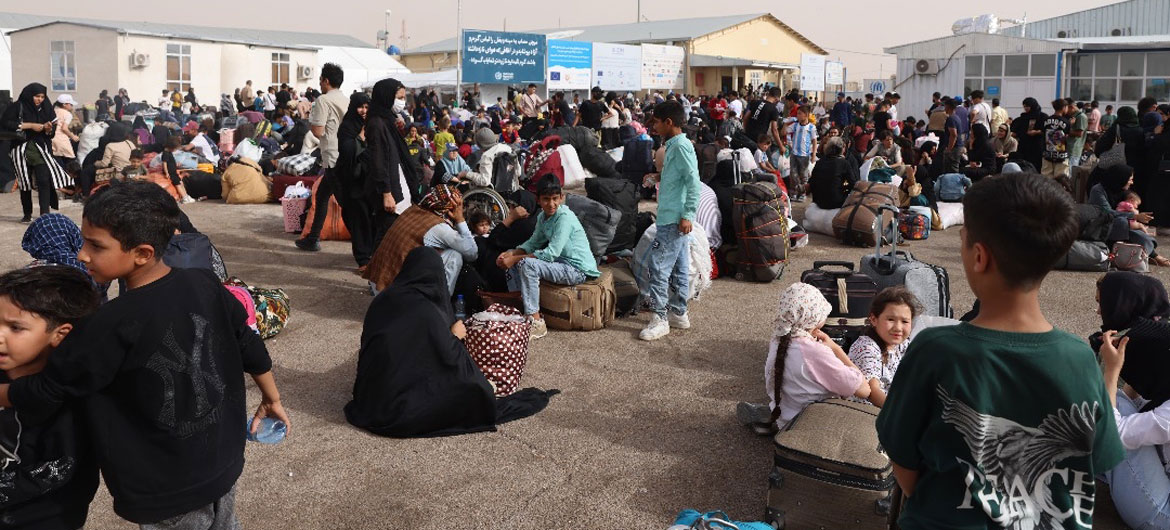
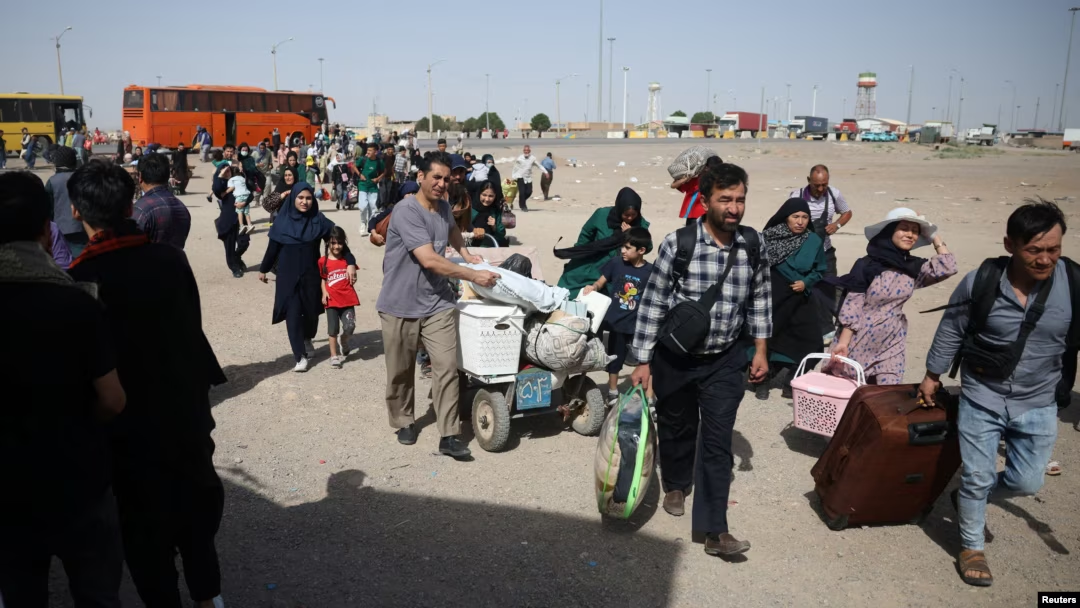
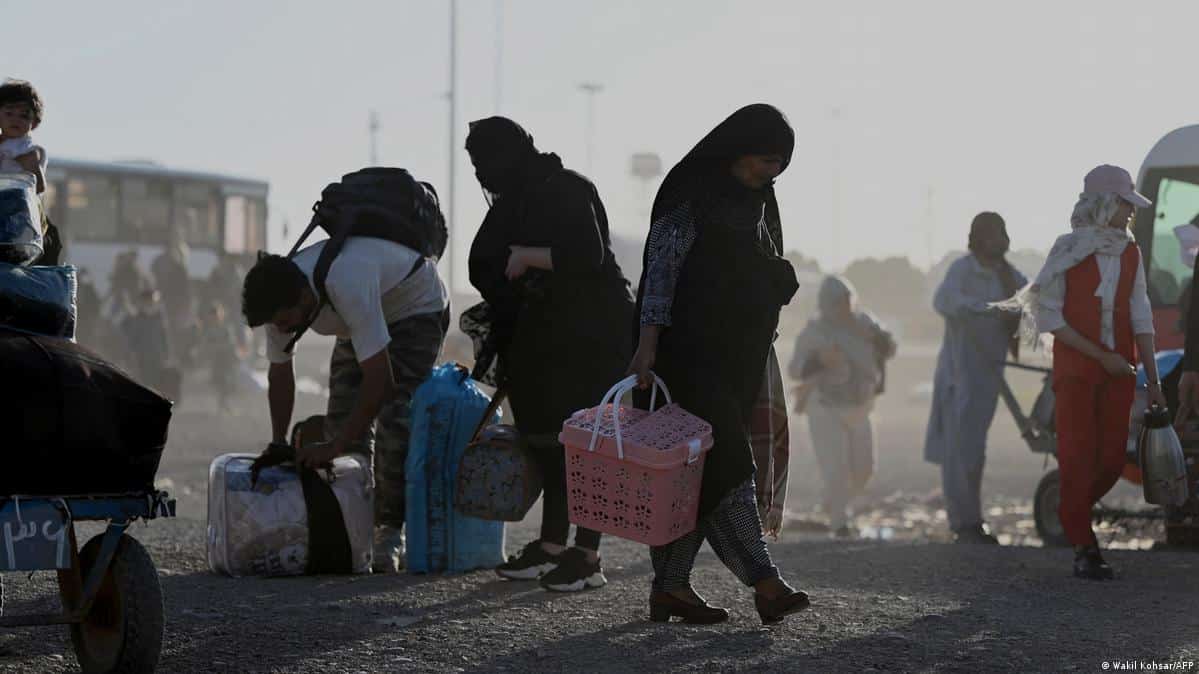
شورای پناهندگان ناروی همچنین به بازگشت گسترده مهاجران افغانستان از کشورهای همسایه اشاره کرده و گفته است که تنها در سال ۲۰۲۵ حدود ۲.۹ میلیون شهروند افغانستان از ایران و پاکستان به کشور بازگشتهاند؛ بسیاری از آنان در شرایطی که این نهاد آن را «اجباری» توصیف کرده، اخراج یا بازگردانده شدهاند.
در گزارش آمده است: «آنان که برای یافتن امنیت از کشور فرار کرده بودند، اکنون تقریباً بدون هیچ دارایی و امکاناتی به افغانستان بازمیگردند.»
این نهاد بازگشت مهاجران را یکی از بزرگترین چالشهای حفاظتی در افغانستان دانسته است.
گزارش همچنین به تأثیر رویدادهای طبیعی اشاره کرده و گفته است که زمینلرزهای به بزرگی ۶ درجه ریشتر در ولایت کنر بیش از ۲ هزار و ۱۵۰ کشته برجای گذاشت و هزاران خانه را ویران کرد. کمتر از سه ماه بعد نیز زمینلرزه دیگری با قدرت مشابه ولایت بلخ را لرزاند.
شورای پناهندگان ناروی در بخش دیگری از گزارش خود به افزایش تنشها میان طالبان و پاکستان پرداخته و گفته است که درگیریهای مرزی در اواخر سال ۲۰۲۵ به شدیدترین خشونتها میان دو طرف از زمان بازگشت طالبان به قدرت تبدیل شد و دهها هزار خانواده را آواره کرد.
این نهاد همچنین محدودیتهای طالبان بر زنان و دختران را از عوامل اصلی تشدید بحران دانسته است.
به گفته این سازمان، طالبان از سال ۲۰۲۱ تاکنون نزدیک به ۱۰۰ فرمان و دستور محدودکننده صادر کردهاند که دسترسی زنان به آموزش، اشتغال و زندگی عمومی را محدود کرده است.
گزارش تأکید میکند که این محدودیتها دسترسی زنان به خدمات صحی و کمکهای بشردوستانه را نیز با دشواریهای بیشتری روبهرو ساخته است.
شورای پناهندگان ناروی افزوده است که کاهش بودجه کمکهای بشردوستانه در سطح جهان نیز وضعیت افغانستان را دشوارتر کرده است. به گفته این نهاد، برنامههای بشردوستانه در سال ۲۰۲۵ تنها حدود یکسوم بودجه مورد نیاز خود را دریافت کردهاند که پایینترین سطح تأمین مالی در بیش از یک دهه گذشته به شمار میرود.
این گزارش در پایان تأکید کرده است که بحران افغانستان نیازمند توجه پایدار جامعه جهانی، ادامه حمایت از کشورهای میزبان مهاجران افغانستان و تلاشهای بلندمدت برای رسیدگی به ریشههای آوارگی و بحران انسانی در این کشور است.
Afghanistan ranked fifth among the world’s most neglected displacement crises in 2025, according to a new report by the Norwegian Refugee Council, which warned that declining international attention and funding are deepening hardship for millions of Afghans.
The report, which evaluates crises based on media attention, humanitarian funding, political engagement and the scale of displacement, placed Afghanistan behind Sudan, the Democratic Republic of the Congo, Colombia and Yemen.
Nearly five years after the Taliban returned to power, Afghanistan’s humanitarian situation continues to deteriorate, the report said, with communities facing a combination of poverty, natural disasters, forced returns and restrictions on women and girls.
“Day by day, the humanitarian situation deteriorates, and year by year, donors disengage,” Jacopo Caridi, the Norwegian Refugee Council’s country director for Afghanistan, said in the report. “Afghanistan has become politically isolated, with humanitarian aid left to carry the burden of an entire country’s basic services.”
According to the report, about half of Afghanistan’s population requires humanitarian assistance. Aid cuts announced in 2025 have already had severe consequences, with nearly four million children at risk of malnutrition and more than 400 health facilities forced to close, cutting off access to medical services for millions of people.
The organization also highlighted the return of millions of Afghans from neighboring countries. In 2025 alone, an estimated 2.9 million Afghans returned from Iran and Pakistan, many under what the report described as coercive conditions.
“Having fled in search of safety, they are now arriving back with nothing,” the report said, calling the returns “a significant protection failure.”
Natural disasters compounded the crisis during the year. The report cited a magnitude-6.0 earthquake in Kunar Province that killed more than 2,150 people and destroyed thousands of homes. Less than three months later, another earthquake of similar strength struck Balkh Province.
The report also pointed to escalating tensions between Afghanistan and Pakistan. It said cross-border clashes in late 2025 evolved into the most serious violence between the two countries since the Taliban’s return to power, displacing tens of thousands of families.
Restrictions imposed by the Taliban on women and girls were identified as another major factor worsening conditions. According to NRC, nearly 100 decrees have been issued since 2021 limiting women’s access to education, employment and public life. The organization warned that such measures have weakened access to health care and humanitarian assistance, particularly for women.
The findings come amid a broader decline in global humanitarian funding. NRC said humanitarian appeals worldwide received only about one-third of requested funding in 2025, the lowest level in more than a decade. The organization attributed much of the decline to cuts by major donors, including the United States and several European countries.
The report concludes that Afghanistan’s crisis requires sustained international engagement, continued support for countries hosting Afghan refugees and longer-term efforts to address the root causes of displacement and humanitarian need.
Source
- Tags
- Oceania