Iran Deports 1.8 Million Afghans in Three Months as Forced Returns Surge: Taliban
ایران در سه ماه گذشته ۱.۸ میلیون افغان را اخراج کرده است؛ طالبان از افزایش بازگشتهای اجباری خبر میدهد.
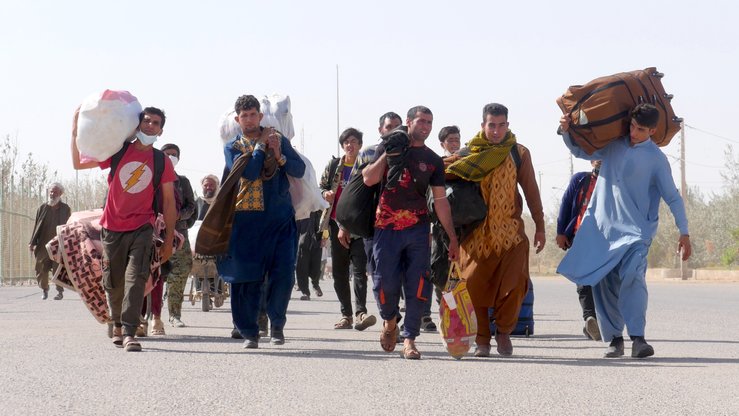
مقامات طالبان اعلام کردهاند که ایران طی سه ماه گذشته نزدیک به ۱.۸ میلیون مهاجر افغان را بهطور اجباری از خاک خود اخراج کرده است. این در حالیست که سیاستهای مرزی در سراسر منطقه سختگیرانهتر شده و فشارها بر مهاجران بدون مدرک اقامتی افزایش یافته است.
در یک نشست خبری روز چهارشنبه (۳۰ جولای)، عبدالرحمن راشد، معین امور تخنیکی وزارت امور مهاجرین و عودتکنندگان طالبان، همچنین تأیید کرد که در طی یک سال گذشته ۱۸۴٬۴۵۹ افغان از پاکستان و ۵٬۱۳۴ تن دیگر از ترکیه به افغانستان بازگردانده شدهاند.
ایران بهطور روزمره شمار زیادی از افغانها را اخراج میکند. در حالی که مقامات ایرانی مدعیاند که تاکنون بیش از یک میلیون مهاجر بدون مدرک را در سال جاری اخراج کردهاند، برآوردها متفاوت است؛ برخی آمارها تعداد کل مهاجران بدون مدرک افغان در ایران را بیش از چهار میلیون و برخی دیگر حدود دو میلیون نفر تخمین میزنند.
در پاکستان، جایی که دستکم سه میلیون افغان زندگی میکنند، آینده بیش از یک میلیون نفر که کارتهای ثبتنام (PoR) آنان منقضی شده، در هالهای از ابهام قرار دارد. دولت پاکستان هنوز تصمیمی در مورد تمدید این مدارک نگرفته و این امر صدها هزار نفر را در معرض خطر اخراج قرار داده است.
مقامات طالبان ادعا میکنند که روند ثبتنام بازگشتکنندگان انجام شده و نیازهای اولیه آنان تأمین گردیده است. به گفته آنها، بر اساس دستور رهبر طالبان، تاکنون ۳۸ شهرک رهایشی در ۲۹ ولایت برای بازگشتکنندگان ایجاد شده است. اما منابع محلی و سازمانهای بشردوستانه تصویری کاملاً متفاوت ارائه میدهند.
با کاهش شدید کمکهای بینالمللی، افغانستان با یک بحران شدید اقتصادی و انسانی روبهروست. به گفته دفتر هماهنگی کمکهای بشردوستانه سازمان ملل (OCHA)، بیش از ۲۳ میلیون نفر – یعنی بیش از نصف جمعیت کشور – نیازمند کمک فوری هستند. برنامه جهانی غذا (WFP) نیز اعلام کرده که نزدیک به ۱۵ میلیون افغان با ناامنی غذایی شدید دستوپنجه نرم میکنند.
شرایط بازگشتکنندگان تیره و ناگوار است. ظرفیت طالبان برای جذب این جمعیت انتقادات گستردهای را برانگیخته؛ بسیاری از بازگشتکنندگان بدون دسترسی به سرپناه، فرصتهای کاری یا خدمات اولیه رها میشوند. بیکاری در سطح بیسابقهای قرار دارد و اقتصاد کشور تحت حاکمیت طالبان و تحریمهای بینالمللی فلج شده است.
سازمان ملل و نهادهای حقوق بشری همچنین از افزایش سرکوبگری طالبان خبر دادهاند؛ از جمله محدودیتهای گسترده علیه زنان، بازداشتهای خودسرانه، اخراجهای اجباری از خانهها و تعقیب اقلیتهای قومی. این شرایط سبب شدهاند که هزاران افغان همچنان کشور را ترک کنند، در حالی که عدهای دیگر به زور بازگردانده میشوند.
سازمانهای امدادی بارها هشدار دادهاند که اخراجهای گسترده میتواند وضعیت انسانی شکننده افغانستان را وخیمتر سازد، و از کشورهای همسایه خواستهاند تا قوانین بینالمللی را رعایت کرده و از افراد آسیبپذیر حمایت کنند.
با این حال، در نبود حمایت بینالمللی هماهنگ و در سایه ناکارآمدی حکومت طالبان، بازگشت میلیونها مهاجر ممکن است تار و پود اجتماعی و اقتصادی کشور را بیش از پیش تحت فشار قرار دهد.
Iran Deports 1.8 Million Afghans in Three Months as Forced Returns Surge: Taliban
Iran has deported nearly 1.8 million Afghan migrants over the past three months, according to Taliban authorities, amid tightening border policies across the region and growing pressure on undocumented migrants to leave.
Speaking at a press conference on Wednesday (July 30) Abdul Rahman Rashid, Deputy Minister for Technical Affairs at the Taliban-controlled Ministry of Refugees and Repatriation, also confirmed the forced return of 184,459 Afghans from Pakistan and 5,134 from Turkey over the past year.
Iran continues to expel large numbers of Afghans on a near-daily basis. While Iranian authorities claim over one million undocumented Afghans have been removed so far this year, estimates vary widely, with some officials placing the total number of undocumented Afghans in Iran at over four million. Others suggest the figure is closer to two million.
In Pakistan, where at least three million Afghans reside, the future remains uncertain for over one million whose Proof of Registration (PoR) cards have expired. The Pakistani government has yet to announce whether these documents will be renewed, leaving hundreds of thousands vulnerable to deportation.
The Taliban claim they have registered returnees and addressed their basic needs. Officials also say 38 residential townships have been established across 29 provinces for returnees, as per an order from the group’s supreme leader. However, humanitarian organizations and local sources report a starkly different reality.
With international aid dwindling, Afghanistan faces an acute economic and humanitarian emergency. According to the UN Office for the Coordination of Humanitarian Affairs (OCHA), more than 23 million people—over half the population—require urgent assistance. The World Food Programme (WFP) reports that nearly 15 million Afghans face high levels of food insecurity.
Returnees face bleak conditions upon arrival. The Taliban’s capacity to absorb the influx has been widely criticized, with many returnees finding no access to shelter, livelihoods, or essential services. Unemployment is at record levels, and the economy remains paralyzed under Taliban rule and ongoing international sanctions.
UN and rights groups have also documented increasing repression under Taliban control, including restrictions on women’s freedom, arbitrary arrests, forced evictions, and persecution of ethnic minorities. These conditions continue to drive thousands of Afghans to flee the country, even as others are being forcibly sent back.
The UN and aid agencies have repeatedly warned that large-scale deportations could exacerbate Afghanistan’s already fragile humanitarian situation, urging neighboring countries to respect international law and protect vulnerable populations.
However, in the absence of coordinated international support and amid the Taliban’s governance failures, the return of millions may further strain the country’s social and economic fabric.
Source
- Tags
- Oceania