Bennett calls Afghanistan’s exiled media among primary defenders of truth
بنت رسانههای تبعیدی افغانستان را از مدافعان اصلی حقیقت خواند
ریچارد بنت، گزارشگر ویژهٔ سازمان ملل متحد در امور وضعیت حقوق بشر در افغانستان، روز جمعه هشدار داد که این کشور با «سرکوب درازمدت حافظه، هویت و امکانهای آینده» روبهرو است و خواستار حمایت بیشتر جامعهٔ جهانی از خبرنگاران افغان — چه در داخل کشور و چه در تبعید — شد.
بنت در پیام ویدیویی که در سومین نشست سالانهٔ جهانی آزادی مطبوعات افغانستان در برلین پخش شد، گفت که پس از بازگشت طالبان به قدرت در سال ۲۰۲۱، چشمانداز رسانهای افغانستان بهگونهٔ چشمگیری تغییر کرده است. بسیاری از خبرنگاران بهدلیل سرکوب ناچار به ترک کشور شدهاند و آنانی که باقی ماندهاند، بهویژه زنان، با محدودیتها و تهدیدهای شدید روبهرو اند.
او گفت: «در چنین فضایی، رسانههای ترکیبی افغانستان بهگونهٔ حیاتی اهمیت یافتهاند. نهادهای رسانهای که از بیرون کشور نشر و پخش میکنند، اکنون در میان مدافعان و مستندسازان اصلی آنچه در افغانستان میگذرد قرار دارند — صداهای داخل کشور را بازتاب میدهند، جرایم و نقض حقوق بشر را گزارش میکنند و حافظهٔ تاریخی را حفظ مینمایند.»
بنت هشدار داد که این رسانههای ترکیبی، با وجود نقش حیاتیشان در گزارشدهی موارد نقض حقوق بشر، حفظ حافظهٔ تاریخی و بلند ساختن صدای افغانها، اکنون بهدلیل کاهش حمایتهای بینالمللی و فشارهای مالی با «فشار شدید» روبهرو اند.
او افزود: «برخی تنها نگران از دست دادن رسانههایشان نیستند، بلکه بیم آن را دارند که دیدگاهی را نیز از دست بدهند که برای آن ایستادهاند — دیدگاهی که بر خلاقیت، عدالت، کرامت و آزادی انسان استوار است.»
نمایندهٔ سازمان ملل متحد همچنان تأکید کرد که کار خبرنگاران در افغانستان در برابر تبلیغات دولتی و قطع جریان اطلاعات، همچنان حیاتی باقی مانده است. او گفت: «با وجود محدودیتها، آنان مهارتها و شعلهٔ رکن چهارم دموکراسی را زنده نگه داشتهاند.»
بنت با اشاره به خبرنگاران داخل کشور گفت: «کار شما اهمیت دارد و پایداری شما در رساندن حقیقت به مردم افغانستان و جامعهٔ جهانی، در برابر تبلیغات، ضروری است.»
او همچنان از کمککنندگان بینالمللی، نهادهای رسانهای و دولتها خواست تا تعهد خود را به آزادی مطبوعات در افغانستان تجدید کنند؛ از جمله از راه تمویل مستقیم و فراهمسازی تضمینهای امنیتی برای خبرنگاران.
نشست برلین خبرنگاران افغان، مدافعان بینالمللی آزادی مطبوعات و نهادهای جامعهٔ مدنی را گردهم آورد تا در مورد تنگتر شدن فضای روزنامهنگاری مستقل زیر حاکمیت طالبان گفتگو کنند. به گفتهٔ نهادهای ناظر آزادی مطبوعات، از سال ۲۰۲۱ به اینسو صدها رسانهٔ افغان بسته شده و دهها خبرنگار بازداشت، آزار و یا مجبور به ترک کشور شدهاند.
Bennett calls Afghanistan’s exiled media among primary defenders of truth
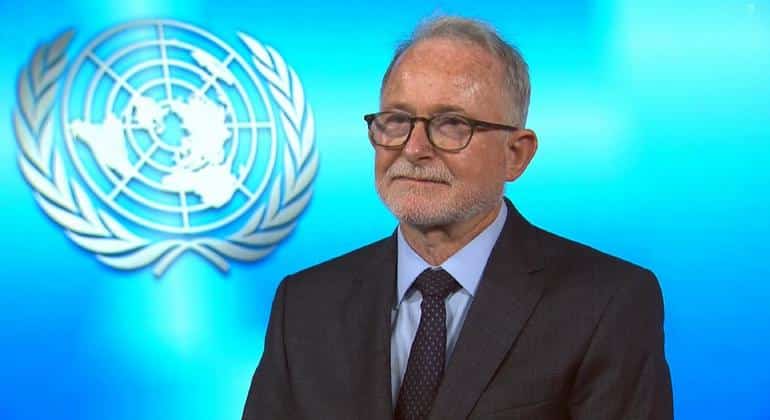
Richard Bennett, the UN Special Rapporteur on the situation of human rights in Afghanistan, warned on Friday that the country is facing a long-term “suppression of memory, identity and future possibility,” and called for greater international support for Afghan journalists — both inside the country and in exile.
In a video message played at the 3rd Annual Global Summit on Afghanistan’s Press Freedom in Berlin, Bennett said the media landscape in Afghanistan had changed drastically since the Taliban returned to power in 2021. Many journalists have fled the country due to repression, while those who remain face harsh restrictions and threats, particularly women.
“In this environment, Afghanistan’s hybrid media has become indispensable. Media organizations publishing and broadcasting from abroad are now among the primary defenders and documentors of what is happening in the country — amplifying voices from inside Afghanistan, reporting crimes and human rights violations, and safeguarding the historical record,” he said.
Bennett warned that these hybrid outlets, despite playing a critical role in reporting human rights abuses, preserving historical memory, and amplifying Afghan voices, are now under “severe strain” due to shrinking international support and financial pressures.
“Some fear not only losing their platforms,” he added, “but also losing the vision of Afghanistan they stand for — a vision rooted in creativity, justice, dignity, and human freedom.”
The United Nations envoy also emphasized that the work of journalists in Afghanistan remains crucial in the face of state propaganda and information blackouts. “Despite limitations, they’re keeping the skills and the flame of the fourth estate alive,” he said.
Hinting at journalists inside the country, Bennett said: “Your work matters, and your persistence in bringing facts to the Afghan and international public in the face of propaganda is essential.”
Bennett also called for international donors, media organizations, and governments to renew their commitment to press freedom in Afghanistan, including through direct funding and safety guarantees for journalists.
The summit in Berlin gathered Afghan journalists, international press freedom advocates, and civil society groups to discuss the shrinking space for independent journalism under Taliban rule. According to press freedom watchdogs, hundreds of Afghan media outlets have shut down since 2021, and dozens of journalists have been detained, harassed, or forced into exile.
Source
- Tags
- Oceania