Afghanistan’s Taliban Have Weaponized the Judicial System to Oppress Women, UN Expert Says
گزارشگر سازمان ملل: طالبان دستگاه قضایی افغانستان را به ابزار سرکوب زنان مبدل کرده است
گزارشگر مستقل حقوق بشر سازمان ملل متحد در امور افغانستان گفته است که طالبان دستگاه حقوقی و قضایی را به ابزاری برای سرکوب زنان و دختران مبدل ساختهاند؛ اقدامی که به گفتهی او، در حد «جنایت علیه بشریت» است.
ریچارد بنت، در گزارشی که روز چهارشنبه به مجمع عمومی سازمان ملل ارائه شد، گفت طالبان پس از بهدست گرفتن قدرت در سال ۲۰۲۱، قانون اساسی ۲۰۰۴ و قوانین حمایتکننده از حقوق زنان و دختران را به حالت تعلیق درآوردند. این قوانین شامل قانون مهم محو خشونت علیه زنان میشود که ۲۲ نوع خشونت، از جمله تجاوز جنسی و ازدواج اجباری و کودکهمسری را جرمانگاری کرده بود.
به گفتهی او، طالبان تمام قضات دولت پیشین را — که حدود ۲۷۰ تن از آنها زن بودند — برکنار کرده و به جای آنها مردانی را گماشتهاند که دیدگاههای افراطی مشترک با طالبان دارند، اغلب آموزش رسمی حقوقی ندیدهاند و احکام خود را بر اساس فرمانهای صادره از سوی رهبری طالبان صادر میکنند. طالبان همچنین کنترل کامل نیروهای امنیتی و نهادهای تحقیقاتی را بهدست گرفته و کارمندان حکومت پیشین را بهصورت سیستماتیک برکنار کردهاند.
بنت که از سوی شورای حقوق بشر سازمان ملل در ژنو منصوب شده است، در این گزارش بر دسترسی به عدالت و حفاظت از زنان و دختران تمرکز کرده است. او بیش از ۱۱۰ مصاحبه و نشست گروهی با افغانها در داخل و خارج کشور انجام داده، اما بهطور مجازی، زیرا طالبان به او ویزا ندادهاند.
از زمان تسلط مجدد طالبان، محدودیتهای شدیدی بر زنان و دختران اعمال شده است: ممنوعیت آموزش دختران فراتر از صنف ششم، جلوگیری از اشتغال زنان در بیشتر مشاغل، و ممنوعیت ورود آنان به اماکن عمومی مانند پارکها، سالنهای ورزشی و آرایشگاهها. قوانین تازه همچنین آشکار شدن چهره و شنیده شدن صدای زنان در انظار عمومی را ممنوع کرده است.
این محدودیتها سبب شده که طالبان از سوی کشورهای غربی منزوی بمانند و تاکنون تنها روسیه حکومت آنان را به رسمیت شناخته است.
طالبان به نسخهی پیشنویس گزارش و درخواست اطلاعات بنت دربارهی اقداماتشان برای تضمین عدالت و حفاظت از زنان پاسخی ندادهاند. در حالی که آنان ادعا میکنند شریعت اسلامی را اجرا میکنند، بسیاری از علمای اسلامی تأکید دارند که تفسیر طالبان بیسابقه است و با اصول عدالت و برابری در اسلام در تضاد میباشد.
در حال حاضر هیچ قاضی، دادستان یا وکیل زنِ ثبتشده در افغانستان وجود ندارد و این وضعیت، مسیرهای امن برای گزارش خشونت یا پیگیری قضایی را تقریباً بهطور کامل مسدود کرده است. نبود افسران پولیس زن نیز گزارشدهی خشونت و تبعیض را کاهش داده و باعث پنهان ماندن گستردهی این موارد شده است.
طالبان همچنین نهادهای کلیدی حمایتکننده از حقوق کودکان، از جمله محاکم اطفال و مراکز اصلاح و تربیت را منحل کردهاند. شرط همراهی یک محرم مرد برای زنان در مراجعه به محکمه یا ثبت شکایت، موانع جدی ایجاد کرده و بهویژه بر بیوهها، زنان سرپرست خانواده، بیجاشدگان و زنان دارای معلولیت تأثیر منفی گذاشته است.
زنان در دادگاههای طالبان با فضای خصمانه روبهرو هستند و شکایات مربوط به طلاق، حضانت کودکان و خشونتهای جنسیتی غالباً رد میشود. این وضعیت بسیاری از زنان را ناچار کرده که به مکانیزمهای سنتی مانند جرگهها و شوراها — که کاملاً مردسالار هستند — یا میانجیگری غیررسمی علما و متنفذان محلی مراجعه کنند؛ روندی که غالباً از حقوق زنان حمایت نمیکند.
بنت تأکید کرد که نهادهای حقوقی بینالمللی بهترین امید برای تأمین عدالتاند. او به درخواست دیوان کیفری بینالمللی در ۲۳ جنوری برای صدور حکم بازداشت دو مقام ارشد طالبان به اتهام جنایت علیه بشریت بر مبنای جنسیت اشاره کرد و از همه کشورها خواست که افغانستان را به دلیل نقض کنوانسیون محو کلیه اشکال تبعیض علیه زنان، به دیوان بینالمللی دادگستری ارجاع دهند.
Afghanistan’s Taliban Have Weaponized the Judicial System to Oppress Women, UN Expert Says
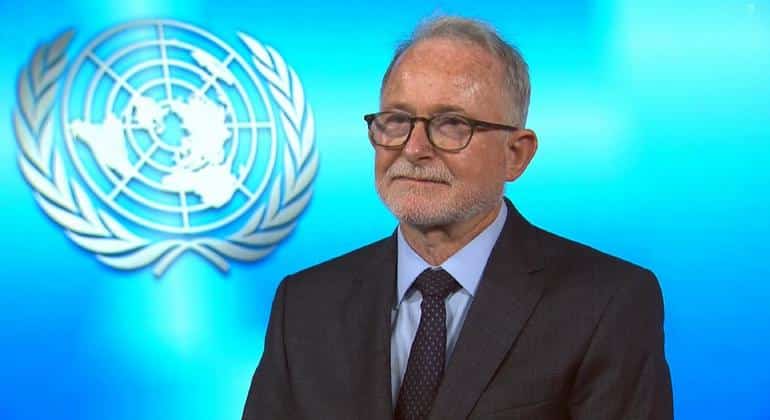
The United Nations’ independent investigator on human rights in Afghanistan has accused the Taliban of using the legal and judicial system to oppress women and girls. He states that these actions amount to crimes against humanity.
In a report to the UN General Assembly released Wednesday, Richard Bennett noted that since taking power in 2021, the Taliban have suspended the 2004 Constitution and abolished laws that protected women’s rights. This includes the significant Elimination of Violence Against Women Law, which criminalized 22 types of abuse such as rape, child marriage, and forced marriage.
The Taliban dismissed all judges from the former U.S.-backed government, including about 270 women. They replaced them with men who share their strict views, often lack formal legal training, and issue rulings based on Taliban orders. The group has also taken full control of law enforcement and investigative agencies, systematically removing staff who worked under the previous administration.
Bennett, who was appointed by the UN Human Rights Council in Geneva, focused his report on access to justice and protection for women and girls. He conducted more than 110 interviews and discussions with Afghans inside and outside the country, but remotely, since the Taliban have refused to grant him a visa.
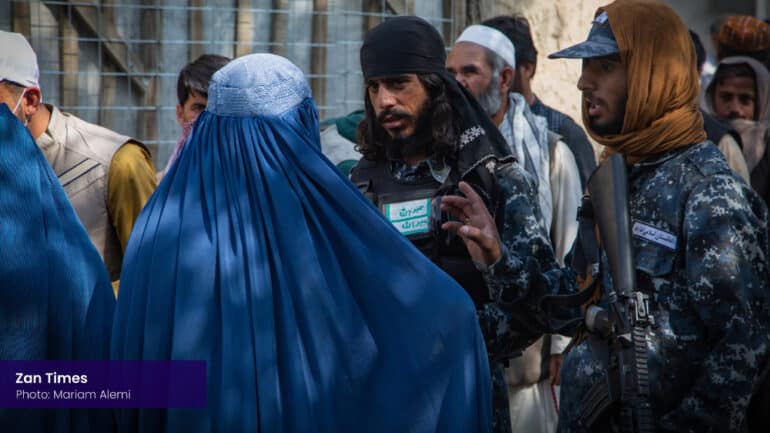
Since regaining power, the Taliban have banned girls from receiving education beyond the sixth grade, prohibited most forms of female employment, and barred women from public spaces such as parks, gyms, and beauty salons. New rules forbid women from showing their faces or speaking in public.
The Taliban’s restrictions have isolated them from the West, with only Russia recognizing their government.
The Taliban did not respond to Bennett’s report or his request for information about their measures to ensure justice and protection for women. While the group claims to be implementing Islamic sharia law, many Islamic scholars say their interpretation is unique among Muslim-majority countries and violates fundamental Islamic principles of justice and equality.
Currently, there are no female judges, prosecutors, or officially registered female lawyers in Afghanistan. This situation leaves women with almost no safe ways to report abuse or seek justice. The absence of female police officers further discourages reporting, resulting in widespread underreporting of violence and discrimination.
Legal protections for children have also been dismantled, including the closure of juvenile courts and rehabilitation centers. The Taliban’s rule, which requires women to be accompanied by a male relative to attend court or file complaints, creates additional barriers, especially for widows, displaced women, and those leading households.
Women who turn to Taliban courts often face hostility. Cases of divorce, child custody, and gender-based violence are frequently dismissed outright. This situation pushes many women to seek help from traditional mechanisms like jirgas and shuras, which are male-dominated councils of elders, or informal mediation by religious leaders. Unfortunately, these often fail to protect women’s rights.
Bennett stressed that international legal forums offer the best hope for justice. He cited the International Criminal Court’s request on January 23 for arrest warrants for two senior Taliban leaders accused of crimes against humanity based on gender and urged states to bring Afghanistan before the International Court of Justice for violating the UN Convention on the Elimination of All Forms of Discrimination Against Women.
Source
- Tags
- Oceania